Travel photography is all about being in the right place at the right moment, and the camera you carry can make or break that experience. A heavy DSLR kit may deliver superb image quality, but if it stays in the hotel safe because it is too bulky to carry, it is not doing its job. That is why lightweight travel cameras have become so popular. They offer a practical balance of portability, image quality, and convenience, letting you capture memories without feeling weighed down.
This complete buying guide walks you through everything you need to know before choosing a lightweight travel camera. We will cover why weight matters, the main types of cameras available, the features that make the biggest difference on the road, and practical tips for getting the most from a compact setup. At the end, we will recommend an affordable action camera that deserves a place in your travel bag: the SJCAM C400 Pro.
Why Lightweight Matters for Travel
When you travel, every gram counts. You may be walking for hours, hiking uphill, navigating crowded streets, or hopping between trains and buses. A camera that feels fine in a store can become a burden after a full day of sightseeing. Lightweight cameras reduce fatigue, encourage you to shoot more often, and make it easier to keep your gear with you instead of leaving it behind.
There is also a practical side to portability. Airlines increasingly restrict carry-on weight, and many travelers prefer to pack only a small daypack. A compact camera fits easily into a jacket pocket or small sling bag, which means you are more likely to have it ready when a spontaneous moment appears.
The Main Types of Lightweight Travel Cameras
The term lightweight travel cameras covers a broad range of devices. Understanding the categories will help you narrow your search.
1. Compact Point-and-Shoot Cameras
Compact cameras are the classic travel companion. They typically weigh between 150 and 350 grams, fit in a pocket, and offer a built-in zoom lens. Modern models often include large sensors, advanced autofocus, and 4K video. They are easy to use and ideal for travelers who want good photos without carrying interchangeable lenses.
2. Premium Compact Cameras
Premium compacts sit at the top of the point-and-shoot category. They usually feature a one-inch or larger sensor, bright lenses, and excellent image quality. They are slightly heavier than basic compacts but still easily portable. These cameras suit photographers who want near-DSLR quality in a pocketable body.
3. Mirrorless Cameras with Compact Lenses
Mirrorless cameras offer interchangeable lenses and excellent image quality. A full mirrorless kit can be heavy, but pairing a small body with a compact prime lens can create a surprisingly lightweight setup. This option is best for travelers who prioritize image quality and are willing to carry a small shoulder bag.
4. Action Cameras
Action cameras are designed for adventure. They are small, rugged, and often waterproof. They excel at video, stabilization, and hands-free mounting. While they may not match a dedicated stills camera for low-light photography, they are superb for cycling, hiking, snorkeling, and capturing dynamic travel moments.
5. Smartphones
Smartphones are the most common travel cameras in the world. They are always with you, offer excellent computational photography, and are easy to share from. However, they have limitations in optical zoom, handling, and battery life during heavy use. Many travelers pair a smartphone with a dedicated lightweight camera for more flexibility.
Key Features to Consider
When comparing lightweight travel cameras, focus on the features that matter most for travel rather than specifications that look impressive on paper.
Weight and Size
Set a realistic weight limit. For pocketable cameras, aim for under 300 grams. For a small mirrorless setup, try to keep the body and lens under 700 grams. Also consider the shape: a slim camera slides into a pocket more easily than a thick one with a protruding lens.
Sensor Size and Image Quality
Larger sensors generally perform better in low light and offer more control over depth of field. A one-inch sensor is a great compromise for travel, while APS-C and full-frame sensors deliver better quality at the cost of size and weight. For daylight travel and social media sharing, a smaller sensor can still produce excellent results.
Lens Flexibility
A zoom lens gives you versatility, from wide landscapes to distant details. A bright prime lens offers better low-light performance and often sharper images, but you must move your feet to frame the shot. Consider whether you prefer convenience or image quality.
Stabilization
Image stabilization is essential for handheld travel photography and video. In-body stabilization allows you to shoot at slower shutter speeds and record smoother video. Optical stabilization in the lens is also effective. For action cameras, electronic stabilization is the key feature to check.
Video Capabilities
If you plan to record your travels, look for at least 4K video at 30fps, good autofocus during recording, and a microphone input if you want better audio. Stabilization matters even more for video than for stills.
Battery Life and Charging
Travel days are long, and charging opportunities may be limited. Look for a camera with reliable battery life and USB-C charging. Carrying a spare battery is almost always worthwhile. Some cameras support power banks while recording, which is useful for long timelapses or vlogging.
Connectivity and Sharing
Wi-Fi and Bluetooth make it easy to transfer photos to your phone for editing and sharing. A well-designed companion app can significantly improve your workflow. Check reviews for app reliability, as this varies between brands.
Durability and Weather Resistance
Travel can be unpredictable. Weather sealing protects against rain, dust, and sand. If you plan to visit beaches, deserts, or mountains, choose a camera that can handle the elements. Action cameras are often the most rugged option.
Storage and File Management
High-resolution photos and 4K video consume storage quickly. Choose a camera that uses affordable, widely available memory cards. Carry at least one spare card and consider a small card reader for backing up files to a phone or laptop.
Budget Considerations
Lightweight travel cameras span a wide price range. Entry-level compacts and action cameras offer good value for casual travelers. Mid-range premium compacts and mirrorless kits cost more but deliver better image quality and control. Before buying, decide how often you will use the camera and what kind of output you need. For many travelers, a reliable mid-range camera or a high-quality action camera provides the best balance of cost and capability.
Practical Tips for Traveling Light
- Choose one camera and one lens. A single versatile setup reduces weight and decision fatigue.
- Use a small pouch or sling. A lightweight bag keeps the camera accessible without adding bulk.
- Carry spare batteries and cards. These small items prevent missed shots.
- Learn the camera before you leave. Practice the menus, controls, and settings at home.
- Back up your files daily. Use cloud storage or a portable drive to avoid losing memories.
- Protect your gear. A microfiber cloth, a rain cover, and a padded pouch are inexpensive insurance.
Final Recommendation: SJCAM C400 Pro
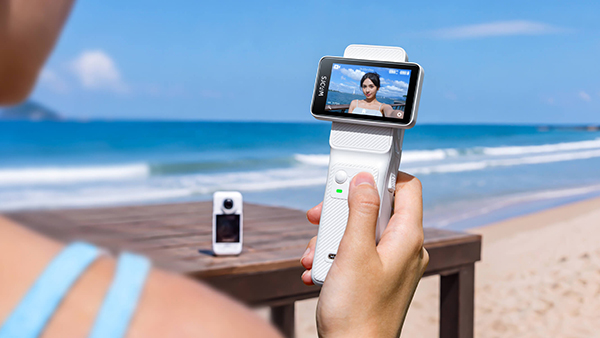
If you want a lightweight travel camera that can handle action, adventure, and everyday recording without adding bulk to your bag, the SJCAM C400 Pro is a strong option to consider. It is designed as a compact action camera, making it easy to mount on a helmet, handlebar, or travel tripod. It offers 4K video recording, electronic image stabilization, and a user-friendly interface, which makes it approachable for travelers who want reliable footage without a steep learning curve.
The SJCAM C400 Pro is particularly appealing for travelers who enjoy outdoor activities such as cycling, hiking, snorkeling, or road trips. Its small body and accessory-friendly design mean you can pack it in a pocket or small case and bring it out when the moment calls. While it may not replace a premium compact camera for low-light still photography, it delivers excellent value for video-first travelers and adventure seekers.
For anyone searching for affordable lightweight travel cameras that are easy to carry and fun to use, the SJCAM C400 Pro deserves a close look. Pair it with a spare battery, a fast memory card, and a small mount, and you will have a travel-ready setup that captures the action without weighing you down.